Captain Tsubasa: Rise of New Champions
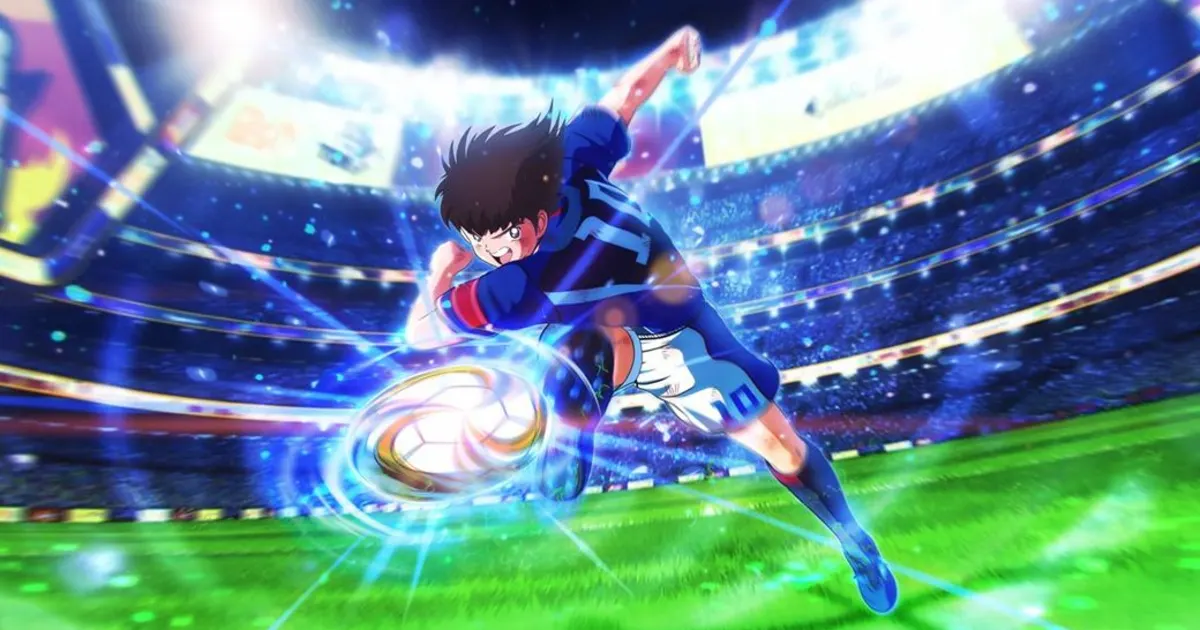
Before Captain Tsubasa 2: World Fighters arrives, Captain Tsubasa: Rise of New Champions remains the modern reference point for what a big-budget Captain Tsubasa console game looks like. It is still the clearest example of how Bandai Namco and Tamsoft translated the series into fast, spectacle-first arcade football.
This article looks at the game from a current editorial angle: what was officially confirmed at launch, what the edition and DLC structure tells us, and why the game still matters if you are revisiting the series today.
Rise of New Champions was positioned as the first new Captain Tsubasa console game in roughly a decade, and that context still matters. It set the template that later discussions around the franchise continue to reference: anime-faithful presentation, exaggerated super plays, and a clear preference for arcade speed over simulation.
August 28, 2020TAMSOFT as developer and Arcade as the genre labelPlayStation 4, Nintendo Switch, and SteamThis breakdown is written for readers who want a practical picture of Rise of New Champions today, not just a launch-day recap.
Captain Tsubasa anime/manga universeStart with the Bandai Namco Europe page. For release date, platform support, and official product framing, it remains the cleanest primary source.
Source links:
Confirmed on the official page:
CAPTAIN TSUBASA: RISE OF NEW CHAMPIONS28/08/2020TAMSOFTArcadePlayStation 4, Nintendo Switch, SteamThe official description also frames the game as the series’ return to consoles after roughly ten years, with an explicit promise of anime spectacle and up-to-date presentation.
The official key-features section makes the game’s direction very clear: this is not a grounded football sim. It is an anime football action game built around visual impact and fast exchanges.
The official page emphasizes:
That framing is important because it explains both the game’s appeal and its limits. If you want structured, sim-like football, this is the wrong entry point. If you want exaggerated shots, tackles, rivalries, and momentum swings that feel close to the anime, this is exactly the lane the game targets.
One of the most practical things about the current official page is that it still exposes how much post-launch content was attached to the game.
The page shows multiple editions and related content references, including:
Champions EditionCollector's EditionDeluxe EditionLegends EditionNew Hero EditionCharacter Pass: 9 DLC playersSeason Pass Bonus: New Champions Uniform SetDeluxe Edition Bonus: V Jump Collaboration Uniform SetFrom a player’s perspective, this matters more than marketing nostalgia. If you are buying or replaying the game now, edition structure directly affects how much roster-related and cosmetic content you actually receive.
The official page also still surfaces later DLC/news references such as EPISODE: RISING STARS, which shows that the game’s support window expanded well beyond the base launch moment.
The Fandom page is still useful, especially when you want a single place for roster references, story structure summaries, and archived promotional art. That includes the Art and Japan gallery sections, which are useful visual references when official media blocks rotate over time.
Use it for:
Use official sources first for:
The right split is simple: official pages for buying facts, community pages for context and archival browsing.
Because this is a 2020 release with layered editions and DLC, the key questions today are not the same as they were at launch.
Check these points first:
Character Pass or later DLC content is bundled or separatePS4, Switch, or Steam) is the one you actually want to play long-termIf your goal is to understand the modern Captain Tsubasa console formula before World Fighters, this game still does that job well. If your goal is simply to own the most complete package, edition details matter enough that you should not treat storefront listings as interchangeable.
This media section starts with the official trailer and then moves into a quick visual gallery built from stable official assets. For additional archived artwork and the Japan cover reference, the Fandom gallery links above remain useful companion sources.

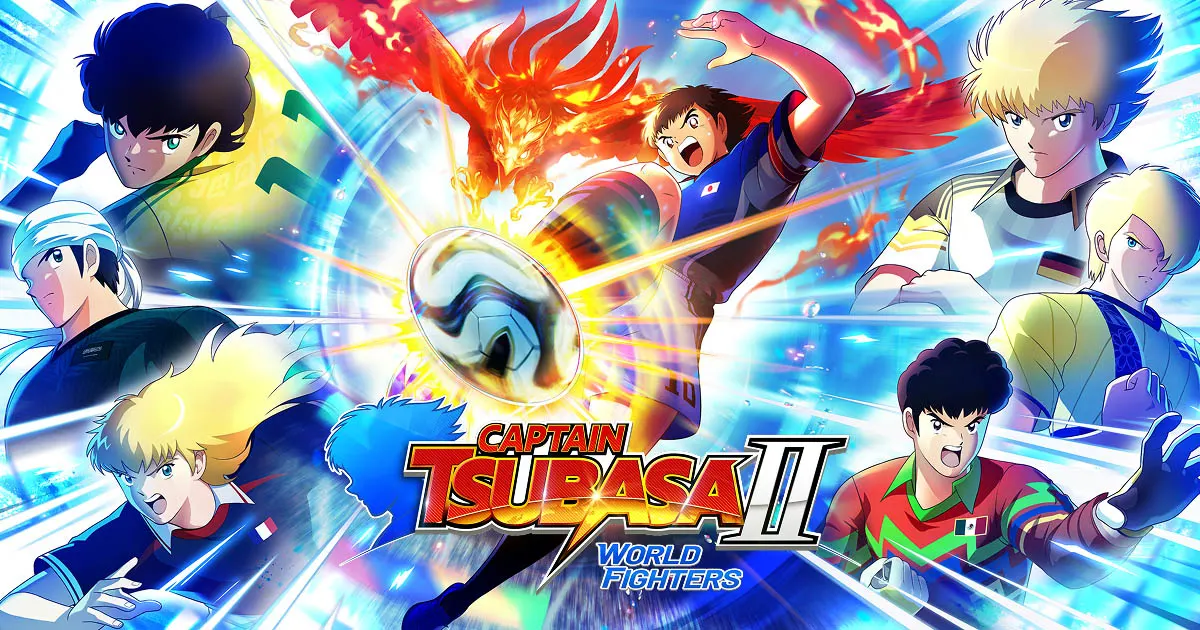
This gallery gives you a fast read on the game’s visual identity: anime-faithful key art, match presentation frames, and edition packaging that defined the launch period.
Additional reference links:
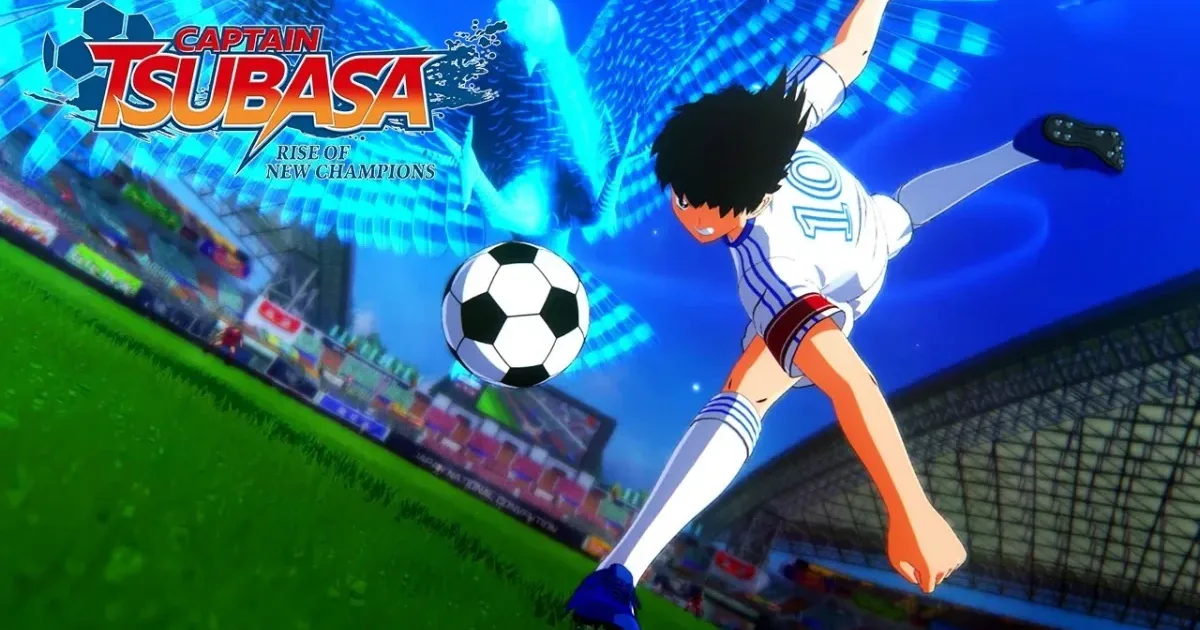
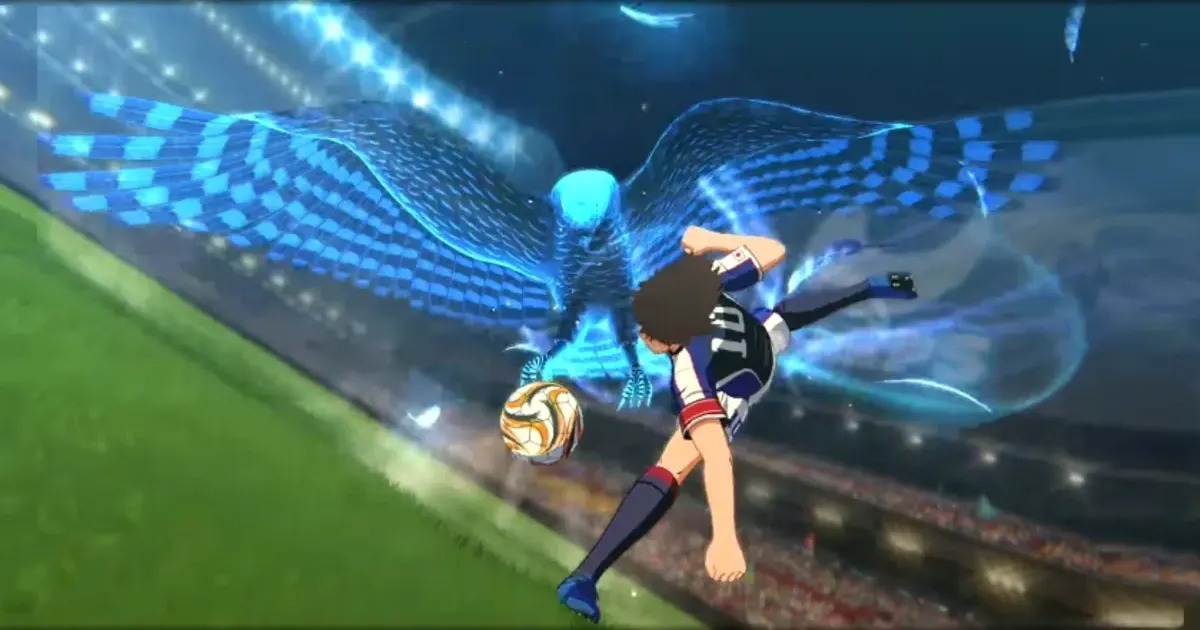


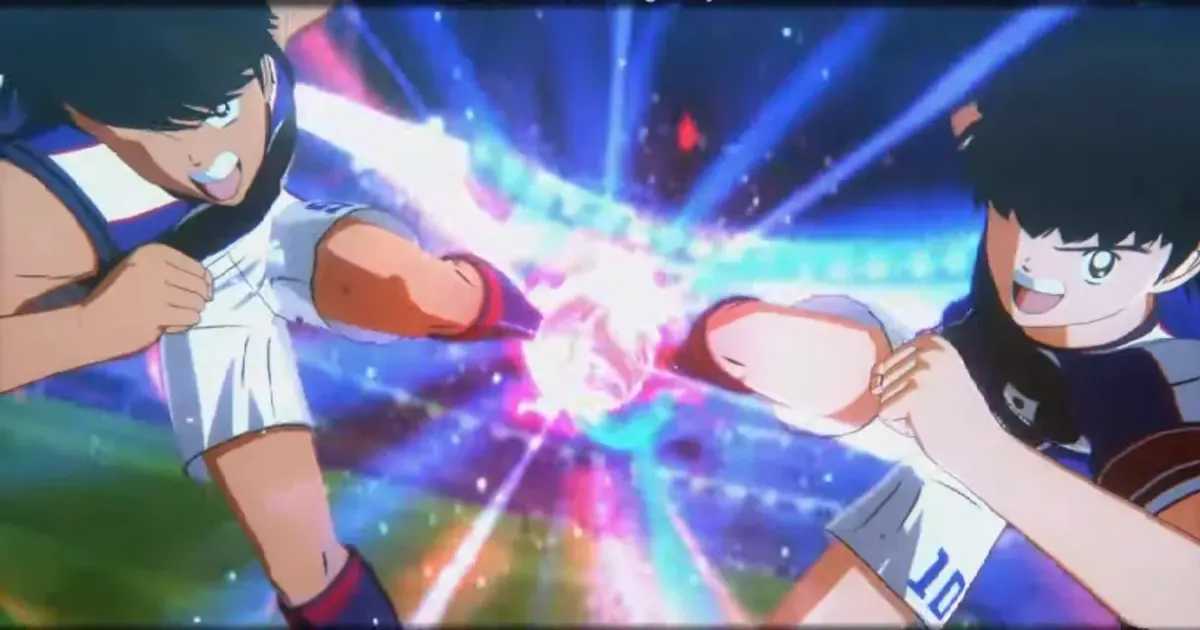
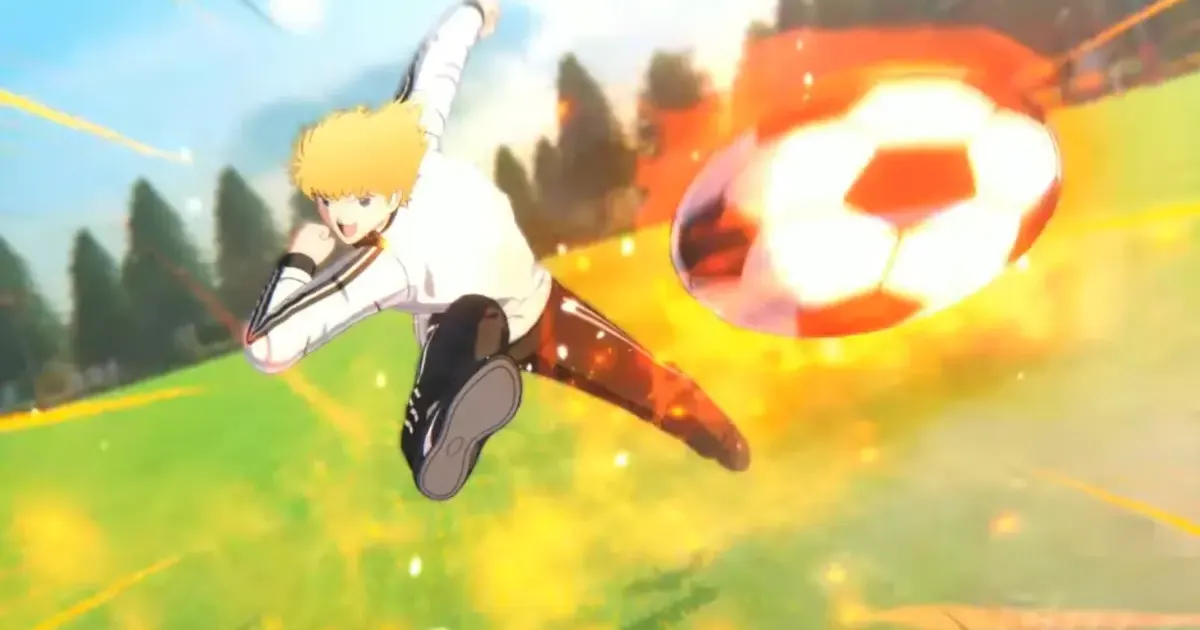

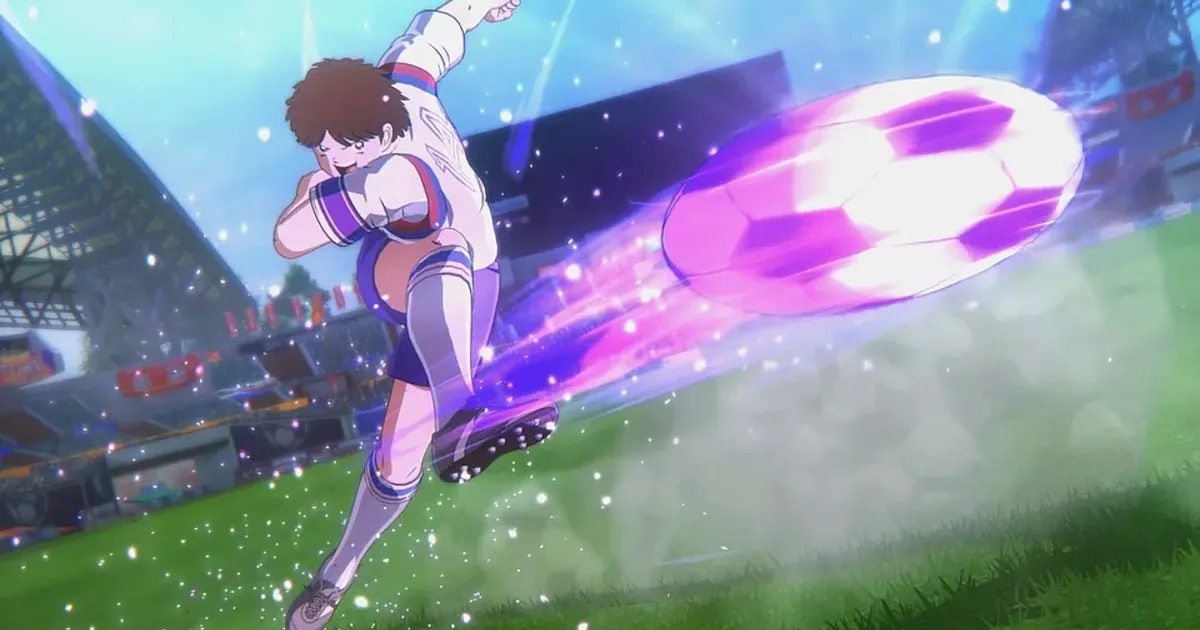


Captain Tsubasa: Rise of New Champions is still the clearest modern template for the franchise’s console direction before World Fighters: aggressive arcade pacing, anime-faithful spectacle, and a product structure shaped heavily by editions and DLC. If you are revisiting the series now, the smartest move is to verify edition contents first, then decide whether you want this game as a playable entry point, a collection piece, or a baseline for comparing the next Captain Tsubasa release.

Discussion
Add your comment
Join the discussion with a note, question, or correction.
Use email for a guest comment, or sign in with Google or GitHub to comment with your reader profile.